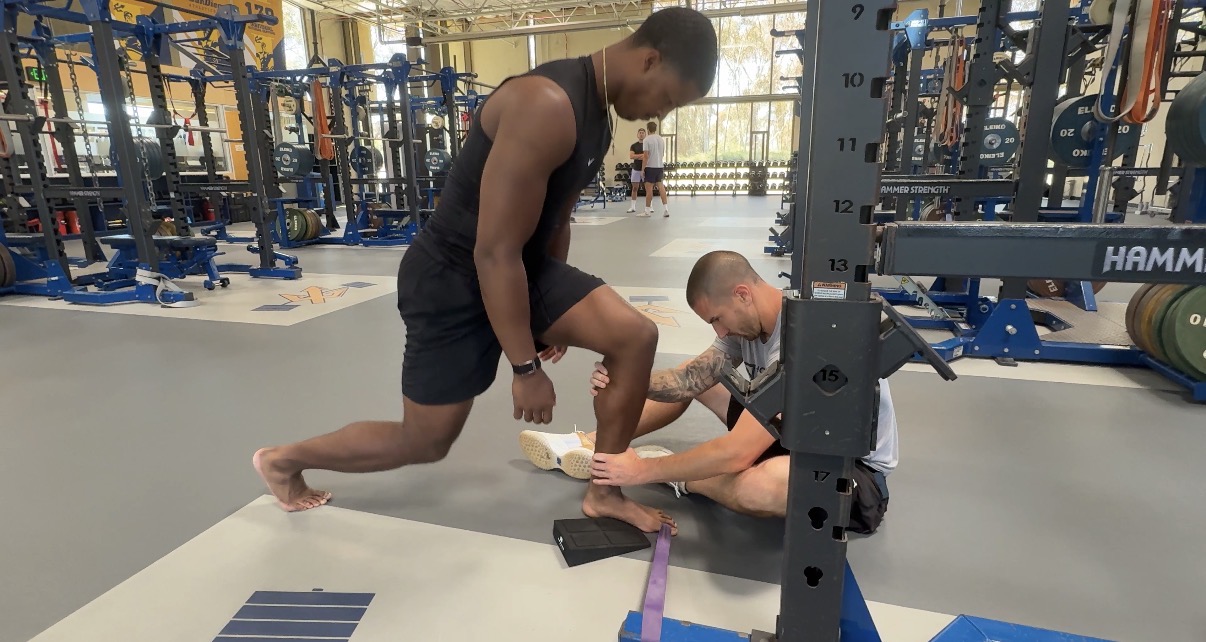
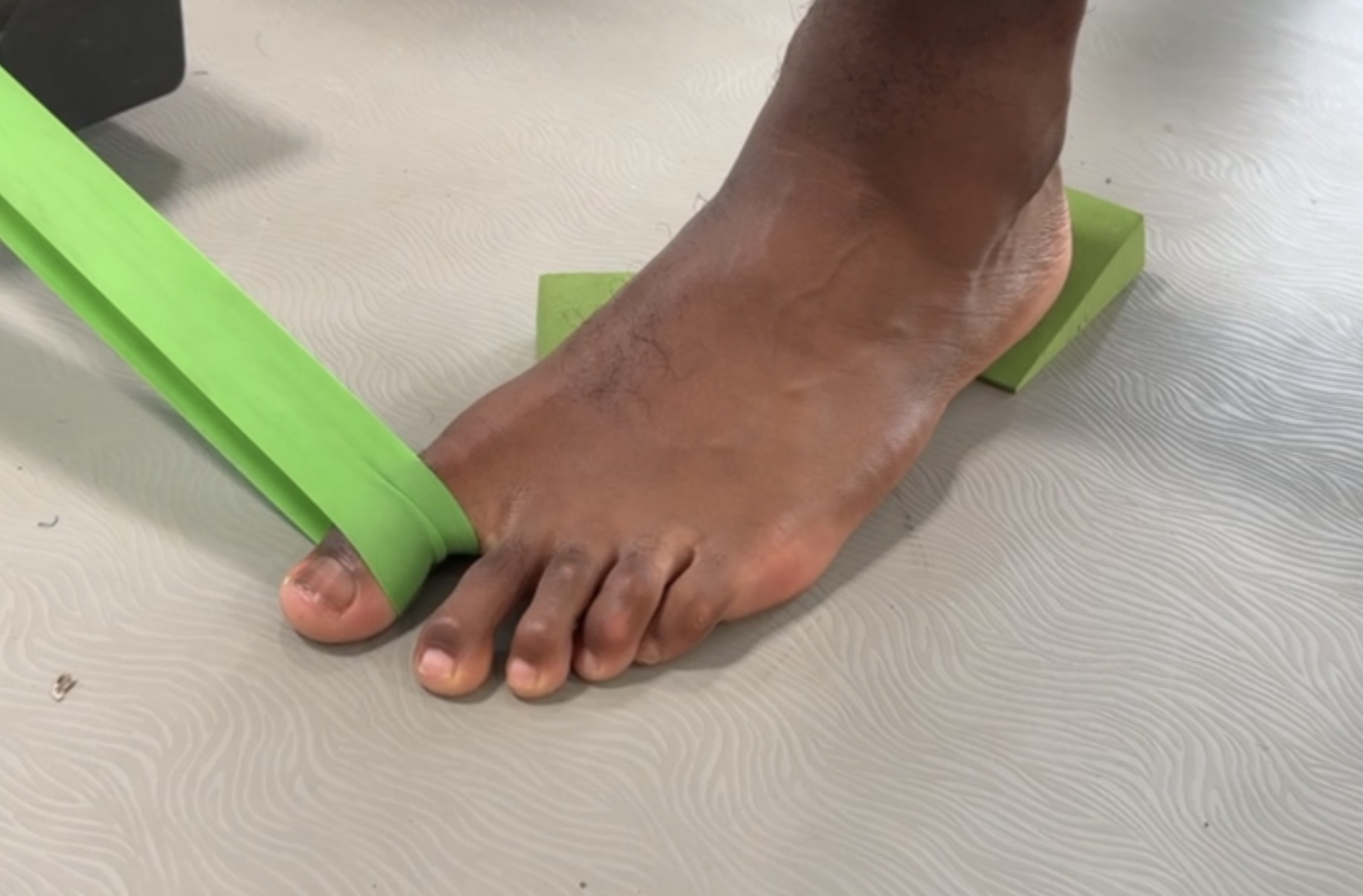
Foundations for Observing the Foot and the Ankle
The foot is easy to see and hard to read. A three-question framework for reading the whole contact: where force enters, how it's managed, and when it's expressed.

The foot is easy to see and hard to read. A three-question framework for reading the whole contact: where force enters, how it's managed, and when it's expressed.

Explore how arch height influences ankle stability, the key drivers behind foot and lower-leg injuries, and how body position and base of support (BOS) impact foot mechanics and overall movement efficiency when it comes to loading the foot and ankle complex.

Training the foot and lower leg should be looked at no different than any other part of the body. Check out how I implement with my athletes

NOTE: This is a featured article from our latest eBook- Restorative Foot Series. RFS will be available for download Saturday 12/19/20. Access here. I am constantly auditing my programming. I don’t believe training is something that should remain sedentary, and I think making changes is not only inevitable, but sensible. Admittedly, I’ve completely changed my stance on barefoot training, actually to my own surprise. While this was something I once viewed as trivial or even imprudent in some case

*In case you missed it- Check out part 1 of our foot-ankle series discussing essential foot anatomy Common LimitationsFoot and ankle limitations are shockingly common, especially within sport performance. Foot-ankle deficits can range from minor irritants like ankle instability, weak intrinsic foot muscles, or chronic arch or calf cramping to more significant ailments such as turf toe, plantar fasciitis, and Achilles tendinopathy. While there are several potential contributing variables, we do n