


COACH EDUCATION
Rude Rock began as an outlet to "pay it forward", for all the content and resources we had when we first started. From free resources to paid products, we have everything you need to take your coaching to the next level.
Blog Articles
Analyzing Injury Rates In Sport- What Does the Data Actually Say?
I’m driven professionally by a few simple, central questions- why do non-contact soft tissue injuries occur in sport? What is our ability to minimize them? And how can we most effectively go about restoring these injuries once they’ve occurred? These are the muses that keep me up at night, and what I have essentially dedicated my entire career to. A part of this process for me is analyzing and understanding general injury trends and rates across multiple sports. As with any problem we seek to solve, the first step is thoroughly understanding the problem itself.
Part 1- The Difficulties of Longitudinal Injury Data in Sport
What I assumed to be a relatively simple thing to accomplish and easy to organize, analyzing longitudinal injury data in sport is exceptionally and uniquely complicated. At the professional levels, this is largely due to logistical and organizational barriers (i.e., ‘gatekeeping’). For many reasons outside the context of sport and player health/safety, professional leagues appear to be remarkably reluctant to make injury data publicly available. There is also a lot of inconsistency with reporting, seemingly variable definitions of what constitutes an injury, and among other issues, is generally not made publicly available until a number of years after the season concludes.
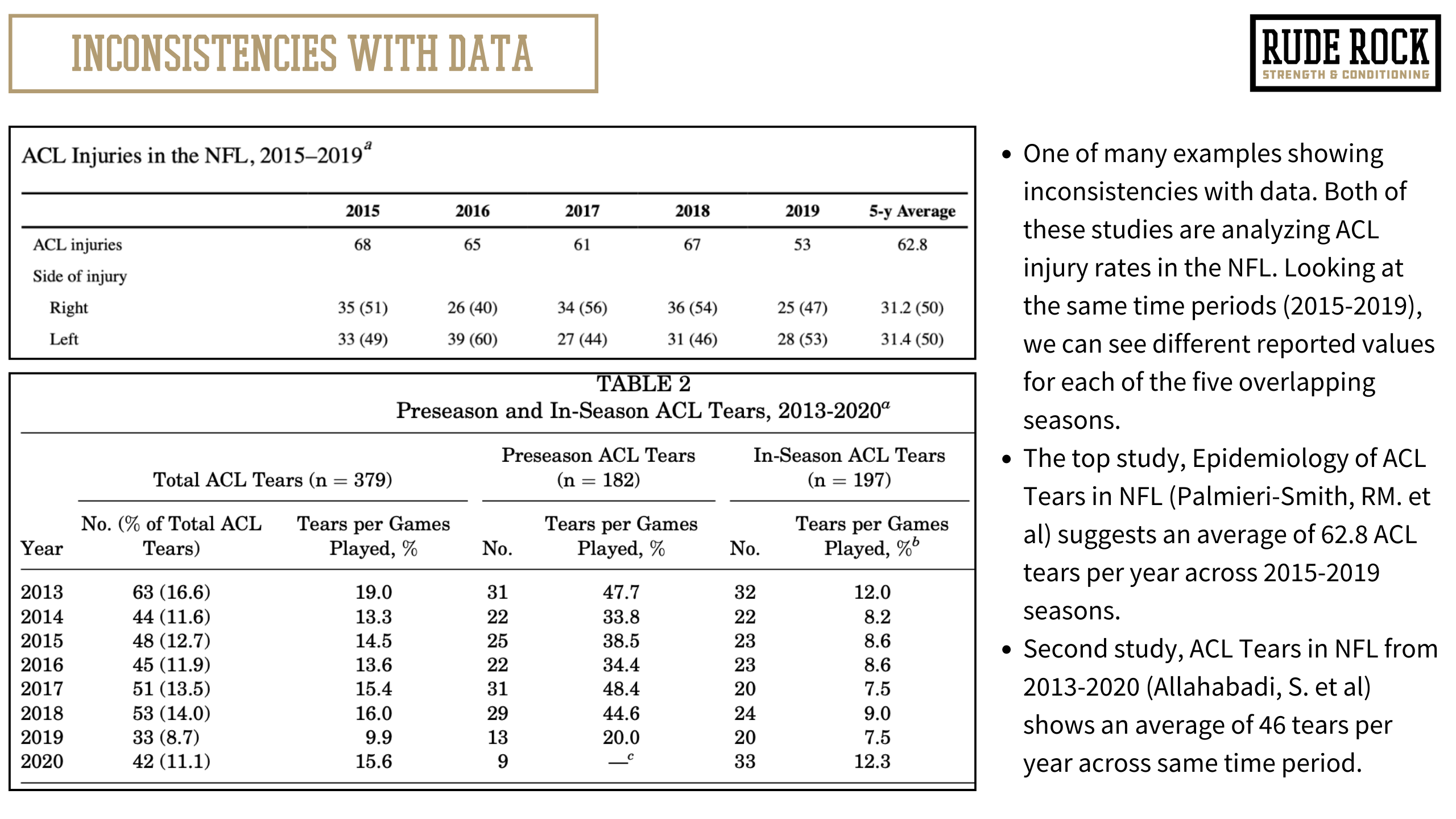
Even with the available research that I have been able to collect over the last five years, there are tremendous incongruencies across studies. Multiple studies that are analyzing the same sport, league, and timeframe, that report objectively and sometimes vastly different numbers for injuries. An example of this inconsistency is shown below looking at NFL ACL injury rates. At the youth and NCAA levels, the challenges are more aligned to lack of resources (people designated to track and report injuries) and simply the volume of athletes that are participating in sport.
The other aspect that presents challenges with longitudinal sport injury data is that it’s never exactly an ‘apples to apples’ comparison. Everything ranging from comparing different sports, levels of competition, genders or generations/decades of sport makes it difficult to analyze what the trends really mean. An added, and somewhat more nuanced issue with this is the constant evolutions of modern sport and athletes. Things such as changes in gameplay or style (more passing plays vs. running plays), structural changes to sport (rules, CBA, surfaces, play style), the speeds (velocities) at which sports are played, are all changing more often and more significantly than in previous decades.
We then need to consider the socioecological factors at play, which may be the most radically different across generations including- changes in puberty onset (younger), earlier sport specialization, sport volume inflation, and increased competitive demands are at the top of my list. Additional factors here include:
- Increased competing stressors (academic stress, media obligations)
- Athlete morphology and physical profiles (bigger, faster, stronger)
- Nutritional factors (poorer quality in modern American food)
- Introduction of modern cell phones, social media, and general lifestyle changes in modern youth
While the “scholarly research” or data on these types of factors is sparse, and again difficult to unify and organize, it should be intuitive that these have likely compromised overall athlete health and wellness.
Part 2- Analyzing the Data: What do we Know?
If we consider this discussion from 2000-present, we can say that there appears to be a general and slow, but consistent rise in sport-related soft tissue injuries. This appears to be consistent across most sports, at most levels of competition, and affecting both genders. While there aren’t any staggering jumps in any particular area, there have been several unique events or circumstances that have created periodic “spikes” in injury rates. Examples of these extraneous factors or events include CBA or league rule changes (2012 NFL lockout, 2010 NBA lockout) or worldly events (i.e., COVID). While the effects of COVID have been wide reaching and still being understood, shown below is an example of how COVID impacted injury rates in major league baseball players.
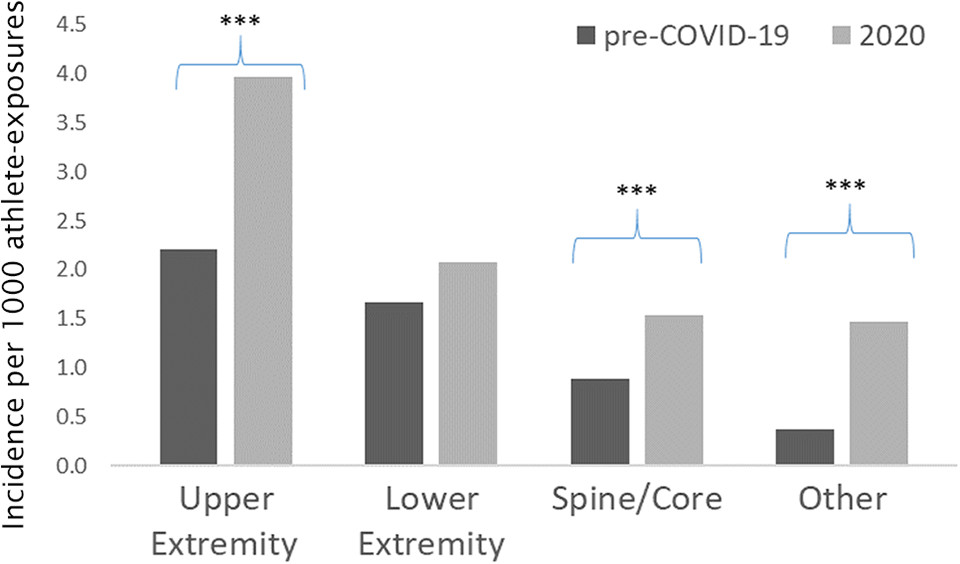
Image via: Platt, BN. et al. (2021) Injury Rates in Major League Baseball During the 2020 COVID-19 Season. Ortho J Sports Med, 9(3).
What we know definitively is that injury trends are complicated, and more data in all areas regarding athlete injuries needs to be completed. But we can summarize the current state of sports injuries as being dynamic and multifactorial, and if nothing else, concerning. The accelerated rate at which the games and leagues are evolving over the last two decades has also compounded the interpretation of findings. From increased international games and travel demands to constant rule changes (see NFL tackling rules), athletes are expected to be as adaptive as ever. And it isn’t just the professional athletes being affected by change, consider how the introduction of NIL and transfer portal at the collegiate level have likely impacted injury rates. Nevertheless, some of the consistent findings I’ve found include the following:
- ACL injury rates have increased (somewhat significantly) over the last 20 years in youth athletes, affecting both genders (National ACL coalition).
- Since 2000, soft tissue injuries have increased across multiple professional sports, to include various soft tissue injuries in NFL (1,5,6,10,37) Rugby Union (34) athletes, UCL injuries in baseball players (39), and hamstring injuries in premier league soccer (4).
- NFL ACL injury rates have risen significantly from the early 2000’s, but remained relatively consistent within the last 10 years (1,5,10, 37, 42).
- Artificial turf does not appear to promote a greater injury rate (by incidence), however, may result in more significant injuries requiring more time lost (28, 29).
- Achilles ruptures have been significantly increasing (up 4x) in the NFL since 2000 (19), but there is no clear or definitive reason why.
- UCL injuries appear to be occurring at epidemic rates since 2000 in baseball players (39), with youth athletes being influenced the most (55). This is likely due to chronic overuse from throwing “too much too early”.
- NBA injury rates appear relatively consistent since 2000, however, there was a significant rise in overall soft tissue injuries post-COVID (48, 49).
- Nearly all sports, across all levels, were adversely affected by COVID during the 2020-2022 pandemic. For several, many obvious reasons, injury rates were increased across the board. We are still understanding what some of the more long term effects of the pandemic may include (6,10, 14, 39, 49).
- Major MSK injuries and surgical procedures are more commonly found in athletes being evaluated at the NFL and NBA combines (5, 18, 22, 32, 40, 52), indicating younger athletes are experiencing significant injuries more frequently.
As I alluded to above, there is a shocking amount of disconnect and contradiction with longitudinal injury data. But that understood and aside, most data seems to point towards slight increases or consistent (no improvement) rates of soft tissue injury over the last two decades. This leads us to the more important questions- what does it mean, and what can we do about it?
Part 3- Understanding Variables and Factors
Where analyzing and understanding the raw data of sport injuries is complicated, understanding the mechanisms, variables, and influencing factors is chaotic. The research is again wide reaching, contradictory, and incomplete. But before we dissect the messy part of this conversation, let’s start with what’s relatively simple and clear.
- Non-contact soft tissue injuries occur due to tissue stress exceeding tissue strain. This is largely due to forces being applied faster than the tissue is able to respond. Other central acute factors include total load, direction of force, complexity of task, neuromuscular or proprioceptive demand, player acute:chronic workloads, and duration/frequency of applied load.
- Previous injury, athlete morphology, and acute psychological/emotional states are all strong predictors of injury probability. These are intrinsic, non-modifiable factors.
- Measuring and monitoring athlete workload is essential for injury risk mitigation. Chronic overworking and prolonged underworking, acute:chronic workload ratio, and rapid changes in workload are all strong predictors of injury probability. These are extrinsic risk factors that in most cases are modifiable (9,15, 36).
- Change in task, demands, position or play style, may also interfere with an athlete’s movement profile and/or confidence which indirectly increases injury probability (17, 20, 21).
- Other acute factors, poor sleep, travel demands, nutrition, weather all seem to have some, but inconclusive effects on injury rates (7).
- Although inconclusive data exists, surface and footwear types appear to have some level of influence on injury rates. There is also a seemingly clear consensus among NFL players, who have voiced their displeasure with artificial surfaces (Joint Statement from NFLPA).
- Fatigue, acute and chronic, appears to have an influence on injury probability. However, what was labeled as a primary culprit for several decades has since been re-evaluated. The reason for this is because the velocity of movement is a conclusive factor for injury mechanism, and when under fatigue, most athletes are unable to reach velocities that would incur injury. This one is contextual, and can be analyzed in multiple ways.
- Finally, a history of concussions (specifically >2), has shown to be significant for increasing MSK injury probability (26). The impairment to oculomotor processing, perception action coupling, and disruptions to vestibular acuity from concussions all play a factor in soft tissue injury probability. Jason Avedesian has done extensive and remarkable work in this area and can speak to it much better than I can.
My takeaways from my time analyzing and researching injury trends is that if nothing else, we have significant room for improving our understanding, and thereby our approach and applications for injuries in the performance setting. Comparatively I look at it like this too, where we have experienced substantial increases in player performance and physical outputs over the last 20 years, the injury rates are not improving. In other words, I believe we have done a great job understanding how to improve performance, but have yet to determine how to manage it.
Of all of the factors and variables outlined in this article, I believe (personally) that there are a handful we can say are mostly contributing to rising or static injury rates. The first is the overall increased velocities at which sports are played now. Within the last 20 years, the speed and dynamics of sport have increased significantly. And quite simply when more athletes are moving faster more frequently, there is an inherent increase in injury probability. Second, I believe the trend of early specialization, fundamentally, propagates injury risk. The overuse and lack of tissue variability eventually leads to breakdown or overuse exposure.
Then we have diminishing changes to food quality and sourcing. Without going into the details of this, we have all become aware of the deleterious effects of food processing. This reduction in quality and food chemicalization has surely been some factor for player health and injury rates. Finally, the dramatic increases in blue light exposure and sedentary screen time, particularly at younger ages, is certainly not helping the state of injury rates either.
Part 4- Determining Our Impact
While it's easy to be myopic to our work being the main driver to all this, the truth is athlete training and injury histories, workloads, morphology and mechanical demands are far more influential for injury probability than what we do in the training setting. But that isn’t to say what we’re doing doesn’t matter, it means it matters within context to these other central factors. Moreover, several studies have outlined the influence of various training programs or applications and their effects on injury. There is a small consensus among these as well:
- Tissues must be loaded heavy (>90%) and fast (>10 m/s). (3,4)
- Tissues must be loaded in the directions they will be exposed to in sport.
- Eccentric based loading may have unique benefits for protecting and preserving connective tissue (3,4). A vast majority of non-contact soft tissue injuries occur during deceleration movements. Having a robust eccentric strength profile is critical for prevention.
- Having appropriate site specific tissue stiffness (i.e., ankle-calf complex during sprinting) is essential for preserving and utilizing mechanical energy and force transmission.
- Positional isometrics may have distinct benefits for ligaments and tendinous tissues, specifically generating stiffness during change of direction and cutting demands. Alex Natera has done extensive work in this area.
- Neurocognitive and sensorimotor training applications may have some preventative influence for injuries, although this is still a relatively understudied area.
- Incorporating specific and individualized soft tissue therapies (manual, fascial therapy) is a considerable factor for managing tissue quality and sensorimotor acuity.
- Tissues must be properly rested and regenerated between training and competition bouts.
This article is the first of several to follow and is only scratching the surface of current sport injury rates and our ability to influence both preventative and restorative measures of injury. Whether within strength and conditioning or the sports medicine department, our roles matter, and our work is influential for athlete injury- for better or worse. Among all of the factors and associating strategies, the most important element to preventing and restoring injuries in sport is establishing a systems approach.
By having a great team of coaches and practitioners, the interdisciplinary model is the most surefire way to account for all of the variables and dynamical nature of sport. Stay tuned for more on establishing a systems approach to sport injury to follow here soon.
References:
- Allahabadi, S. Gatto, AP. Pandya, NK. 2022. ACL tears in the NFL from 2013-2020. Ortho J Sports Med, 10(2).
- Angileri, HS. McLoughlin, DE. Owen, MM. May, JM. Terry, MA. Tjong, VK. 2023. Association of injury rates among players in the NFL with playoff qualification, travel distance, game timing, and the addition of another game. Ortho J Sports Med, 11(8).
- Baar, K. 2017. Minimizing injury and maximizing return to play: lessons from engineered ligaments. Sports Med, 47:S5-S11.
- Baar, K. Training & Nutrition to Prevent Soft Tissue Injuries in Sport (Baar, K. 2015)
- Beaulieu-Jones, BR. Rossy, WH. Sanchez, G. 2017. Epidemiology of injuries identified at the NFL scouting combine and their impact on performance in the NFL. Ortho J Sports Med, 5(7).
- Bi, AS. Azam, MT. Butler, JJ. Alaia, MJ. Jazrawi, LM. Gonzalez-Lomas, G. Kennedy, JG. 2023. Increased incidence of acute achilles tendon ruptures in the peri-pandemic COVID era with parallels to the 2021-22 NFL season. Knee Surgery, 31:2160-2165.
- Bittencourt, NN. Meeuwisse, WH. Mendonça, LD. Nettel-Aguirre, A. Ocarino, JM. Fonseca, ST. 2016. Complex Systems Approach for Sports Injuries: Moving from Risk Factor Identification to Injury Pattern Recognition—Narrative Review and New Concept. Br. J. Sports Med, 50, 1309–1314.
- Boden, BP. Sheehan, FT. 2022. Mechanism of non-contact ACL injury: OREF clinical research award 2021. J Orthop Res, 40:531-540.
- Brophy, RH. Wojtys, EM. Mack, CD. Hawaldar, K. Herzog, MM. Owens, BD. 2021. Factors associated with the mechanism of ACL tears in the NFL. Ortho J Sports Med, 9(11).
- Bullock, GS. Murray, E. Vaughan, J. Kluzek, S. 2021. Temporal trends in incidence of time-loss injuries in four male professional North American sports over 13 seasons. Nature, 11:8278.
- Cinque, ME. Hannon, CP. Bohl, DD. Erickson, BJ. Verma, NN. Cole, BJ. Bach, BR. 2017. Return to sport and performance after ACL reconstruction in NFL linemen. Ortho J Sports Med, 5(6).
- Domb, BG. Carter, C. Finch, NA. Hammarstedt, JE. Dunne, KF. Stake, CE. 2014. Whole-person impairment in younger retired NFL players: the orthopedic toll of a professional football career. Orthop J Sports Med, 2(5).
- Erickson, BJ. Harris, JD. Fillingham, YA. 2014. Anterior Cruciate Ligament reconstruction practice patterns by NFL and NCAA football team physicians. Arthroscopy, 30:731-738.
- Ekstrand, J. Bengtsson, H. Waldén, M. 2023. Hamstring injury rates have increased during recent seasons and now constitute 24% of all injuries in men’s professional football: the UEFA Elite Club Injury Study from 2001/02 to 2021/22. British Journal of Sports Medicine, 57:292-298.
- Gabbett, TJ. 2016. The training-injury prevention paradox: should athletes be training smarter and harder? Br J Sports Med, 0:1-9.
- Gould, HP. Lostetter, SJ. Samuelson, ER. Guyton, GP. 2023. Lower Extremity Injury Rates on Artificial Turf Versus Natural Grass Playing Surfaces: A Systematic Review. Am J Sports Med;51(6):1615-1621.
- Hanson, A. Jolly, NA. Peterson, J. 2017. Safety regulation in professional football: Empirical evidence of intended and unintended consequences. J Health Econ, 53: 87–99.
- Harris, JD. Erickson, BJ. Bach, BR. 2013. Return-to-sport and performance after anterior cruciate ligament reconstruction in National Basketball Association players. Sports Health, 5:562-568.
- Hewett, TE. Lavender, CD. Schaver, AL. 2024. An Apparent Achilles Heel of the NFL: Have Achilles Tendon Injuries Significantly Increased to Unacceptably High Incidence Levels in the NFL and if so, why? A Clinical Insight. IJSPT,19(2):145-147.
- Huang, YL. Jung, J. Mulligan, CS. Norcross, MF. 2020. A Majority of Anterior Cruciate Ligament Injuries Can Be Prevented by Injury Prevention Programs: A Systematic Review of Randomized Controlled Trials and Cluster-Randomized Controlled Trials With Meta-Analysis. Am. J. Sports Med, 48, 1505–1515.
- Hulme, A. Thompson, J. Nielsen, RO. Read, GM. Salmon, PM. 2019. Towards a Complex Systems Approach in Sports Injury Research: Simulating Running-Related Injury Development with Agent-Based Modelling. Br. J. Sports Med, 53, 560–569.
- Keller, RA. Mehran, N. Austin, W. Marshall, NE. Bastin, K. Moutzouros, V. 2015. Athletic performance at the NFL scouting combine after anterior cruciate ligament reconstruction. Am J Sports Med, 43(12): 3022-3026.
- Kraeutler, MJ. Belk, JW. McCarty, EC. 2017. The effect of the number of carries on injury risk and subsequent season’s performance among running backs in the national football league. Orthop J Sports Med, 5.
- Krill, MK. Borchers, JR. Hoffman, JT. 2020. Analysis of Football Injuries by Position Group in Division I College Football. Clin J Sport Med, 30: 216-223.
- Lawrence, DW. Comper, P. Hutchinson, MG. 2016. Influence of extrinsic risk factors on NFL injury rates. Ortho J Sports Med, 4(3).
- Lawrence, DW. Hutchison, MG. Comper, P. 2015. Descriptive Epidemiology of Musculoskeletal Injuries and Concussions in the National Football League, 2012-2014. Orthop J Sports Med, 3.
- Liveris, NI. Papageorgiou, G. Tsepis, E. Fousekis, K. Tsarbou, C. Xergia, SA. 2023. Towards the Development of a System Dynamics Model for the Prediction of Lower Extremity Injuries. Int. J. Exerc. Sci, 16, 1052–1065.
- Mack, C. Hershman, E. Anderson, R. 2018. Higher rates of lower extremity injury on synthetic turf compared with natural turf among National Football League athletes: epidemiologic confirmation of a biomechanical hypothesis.
- Mack, CD. Kent, RW. Coughlin, MJ. Shiue, KY. Weiss, LJ. Jastifer, JR. Wojtys, EM. Anderson, RB. 2020. Incidence of lower extremity injury in the NFL. Am J of Sports Med, 48(9).
- Mai, HT. Alvarez, AP. Freshman, RD. 2016. The NFL Orthopaedic Surgery Outcomes Database (NO-SOD): the effect of common orthopedic procedures on football careers. Am J Sports Med, 44(9): 2255-2262.
- Maniar, N. Verhagen, E. Bryant, AL. Opar, DA. 2022. Trends in Australian Knee Injury Rates: An Epidemiological Analysis of 228,344 Knee Injuries over 20 Years. Lancet Reg. Health West. Pac, 2.
- McCarty, EC. Kraeutler, MJ. Langner, P. Cook, S. Ellis, B. Godfrey, JM. 2016. Historical patterns and variation in treatment of injuries in NFL (National Football League) players and NCAA (National Collegiate Athletic Association) Division I football players. Am J Orthop, 45(6).
- Meyers, MC. 2019. Incidence, Mechanisms, and Severity of Game-Related High School Football Injuries Across Artificial Turf Systems of Various Infill Weights. Orthop J Sports Med, 7.
- Mody, KS. Fletcher, AN. Akoh, CC. Parekh, SG. 2022. Return to play and performance after ACL reconstruction in NFL players. Ortho J Sports Med, 10(3).
- Mulcahey, MK. Bernhardson, AS. Murphy, CP. 2018. The Epidemiology of Ankle Injuries Identified at the National Football League Combine, 2009-2015. Orthop J Sports Med, 6.
- O’Brien, J. Finch, CF. Pruna, R. McCall, A. 2019. A New Model for Injury Prevention in Team Sports: The Team-Sport Injury Prevention (TIP) Cycle. Sci. Med. Footb, 3, 77–80.
- Palmieri-Smith, RM. Mack, CD. Brophy, RH. Owens, BD. Herzog, MM. Beynnon, BD. Spindler, KP. Wojtys, EM. 2021. Epidemiology of ACL tears in the NFL. Am J Sports Med, 49(7)1786-1793.
- Perez, JR. Burke, J. Zalikha, A. 2019. Does Short Rest with Thursday Night Games Influence Injury Rates in the NFL? Orthop J Sports Med, Annual Meeting; 2019 July 11-14. Boston, MA: American Orthopaedic Society for Sports Medicine.
- Platt, BN. Uhl, TL. Sciascia, AD. Zacharias, AJ. Lemaster, NG. Stone, AV. 2021. Injury Rates in Major League Baseball During the 2020 COVID-19 Season. Ortho J Sports Med,9(3).
- Provencher, MT. Bradley, JP. Chahla, J. 2018. A history of anterior cruciate ligament reconstruction at the National Football League Combine results in inferior early National Football League career participation. Arthroscopy, 34(8).
- Shankar, PR. Fields, SK. Collins, C. 2007. Epidemiology of High School and Collegiate Football Injuries in the United States, 2005-2006. Am J Sports Med, 35:1295-1303.
- Sharma, A. Fletcher, AN. Shah, JK. Akoh, CC. Parekh, SG., 2023. The effect of Thursday Night Football on injuries in the NFL. J Ortho Sports Med, 5:304-310.
- Sheth, SB. Anandayuvaraj, D. Patel, SS. 2020. Orthopedic and brain injuries over last 10 seasons in the National Football League (NFL): number and effect on missed playing time. BMJ Open Sport Exerc Med, 6.
- Silvers-Granelli, H. Mandelbaum, B. Adeniji, O. Insler, S. Bizzini, M. Pohlig, R. Junge, A. Snyder-Mackler, L. Dvorak, J. 2015. Efficacy of the FIFA 11+ Injury Prevention Program in the Collegiate Male Soccer Player. Am. J. Sports Med, 43, 2628–2637.
- Slater, LV. Wasserman, EB. Hart, JM. 2019. Trends in recurrent anterior cruciate ligament injuries differ from new anterior cruciate ligament injuries in college and high school sports: 2009-2010 through 2016-2017. Orthop J Sports Med, 7(11).
- Stuhlman, CR. Owens, CJ. Samuelson, EM. Vermillion, RP. Shermansky, MD. King, KB. Connor, PM. 2019. Recurrent ACL tears in the NFL. Ortho J Sports Med, 7(12).
- Taketomi, S. Kawaguchi, K. Mizutani, Y. Takei, S. Yamagami, R. Kono, K. Murakami, R. Kage, T. Arakawa, T. Fujiwara, S. 2023. Lower Hamstring to Quadriceps Muscle Strength Ratio and Lower Body Weight as Factors Associated with Noncontact Anterior Cruciate Ligament Injury in Male American Football Players: A Prospective Cohort Study. Asia Pac. J. Sports Med. Arthrosc, 35, 43–47.
- Teramoto, M. Cross, CL. Cushman, DM. Maak, TG. Petron, DJ. Willick, SE. 2017. Game injuries in relation to game schedules in the National Basketball Association. J Sci Med Sport, 20(3):230-235.
- Torres-Ronda L, Gámez I, Robertson S, Fernández J. 2022. Epidemiology and injury trends in the National Basketball Association: Pre- and per-COVID-19 (2017-2021) PLOS 1, 17(2).
- Tsarbou, C. Liveris, NI. Xergia, SA. Papageorgiou, G. Kvist, J. Tsepis, E. 2024. ACL injury etiology in its context: a systems thinking, group model building approach. J Clin Med, 13:4928.
- Waldén, M. Hägglund, M. Magnusson, H. Ekstrand, J. 2016. ACL Injuries in Men’s Professional Football: A 15-Year Prospective Study on Time Trends and Return-to-Play Rates Reveals Only 65% of Players Still Play at the Top Level 3 Years after ACL Rupture. Br. J. Sports Med, 50, 744–750.
- Wang, D. Weiss, LJ. Abrams, M. Barnes, RP. Warren, RF. Rodeo, SA. Taylor, SA. 2018. Athletes with MSK injuries identified at the NFL scouting combine and prediction of outcomes in the NFL. J Ortho Sports Med, 6(12).
- Webster, KE. Hewett, TE. 2018. Meta-analysis of Meta-analyses of Anterior Cruciate Ligament Injury Reduction Training Programs. J. Orthop. Res, 36, 2696–2708.
- West, SW. Hudson, SM. Starling, L. Cross, M. Williams, S. McKay, CD. Cazzola, D. Brooks, JH. Murray, R. Williams, A. Kemp, SP. Stokes, KA. 2024. Twenty year analysis of professional men’s rugby union knee injuries from the English premiership shows high rates and burden. Brit J Sports Med.
- Zaremski, JL. Zeppieri, G. Tripp, BL. 2019. Sport Specialization and Overuse Injuries in Adolescent Throwing Athletes: A Narrative Review. J Athl Train, 54(10):1030-1039.

Analyzing Injury Rates In Sport- What Does the Data Actually Say?
I’m driven professionally by a few simple, central questions- why do non-contact soft tissue injuries occur in sport? What is our ability to minimize them? And how can we most effectively go about restoring these injuries once they’ve occurred? These are the muses that keep me up at night, and what I have essentially dedicated my entire career to. A part of this process for me is analyzing and understanding general injury trends and rates across multiple sports. As with any problem we seek to solve, the first step is thoroughly understanding the problem itself.
Part 1- The Difficulties of Longitudinal Injury Data in Sport
What I assumed to be a relatively simple thing to accomplish and easy to organize, analyzing longitudinal injury data in sport is exceptionally and uniquely complicated. At the professional levels, this is largely due to logistical and organizational barriers (i.e., ‘gatekeeping’). For many reasons outside the context of sport and player health/safety, professional leagues appear to be remarkably reluctant to make injury data publicly available. There is also a lot of inconsistency with reporting, seemingly variable definitions of what constitutes an injury, and among other issues, is generally not made publicly available until a number of years after the season concludes.
Even with the available research that I have been able to collect over the last five years, there are tremendous incongruencies across studies. Multiple studies that are analyzing the same sport, league, and timeframe, that report objectively and sometimes vastly different numbers for injuries. An example of this inconsistency is shown below looking at NFL ACL injury rates. At the youth and NCAA levels, the challenges are more aligned to lack of resources (people designated to track and report injuries) and simply the volume of athletes that are participating in sport.
The other aspect that presents challenges with longitudinal sport injury data is that it’s never exactly an ‘apples to apples’ comparison. Everything ranging from comparing different sports, levels of competition, genders or generations/decades of sport makes it difficult to analyze what the trends really mean. An added, and somewhat more nuanced issue with this is the constant evolutions of modern sport and athletes. Things such as changes in gameplay or style (more passing plays vs. running plays), structural changes to sport (rules, CBA, surfaces, play style), the speeds (velocities) at which sports are played, are all changing more often and more significantly than in previous decades.
We then need to consider the socioecological factors at play, which may be the most radically different across generations including- changes in puberty onset (younger), earlier sport specialization, sport volume inflation, and increased competitive demands are at the top of my list. Additional factors here include:
- Increased competing stressors (academic stress, media obligations)
- Athlete morphology and physical profiles (bigger, faster, stronger)
- Nutritional factors (poorer quality in modern American food)
- Introduction of modern cell phones, social media, and general lifestyle changes in modern youth
While the “scholarly research” or data on these types of factors is sparse, and again difficult to unify and organize, it should be intuitive that these have likely compromised overall athlete health and wellness.
Part 2- Analyzing the Data: What do we Know?
If we consider this discussion from 2000-present, we can say that there appears to be a general and slow, but consistent rise in sport-related soft tissue injuries. This appears to be consistent across most sports, at most levels of competition, and affecting both genders. While there aren’t any staggering jumps in any particular area, there have been several unique events or circumstances that have created periodic “spikes” in injury rates. Examples of these extraneous factors or events include CBA or league rule changes (2012 NFL lockout, 2010 NBA lockout) or worldly events (i.e., COVID). While the effects of COVID have been wide reaching and still being understood, shown below is an example of how COVID impacted injury rates in major league baseball players.
Image via: Platt, BN. et al. (2021) Injury Rates in Major League Baseball During the 2020 COVID-19 Season. Ortho J Sports Med, 9(3).
What we know definitively is that injury trends are complicated, and more data in all areas regarding athlete injuries needs to be completed. But we can summarize the current state of sports injuries as being dynamic and multifactorial, and if nothing else, concerning. The accelerated rate at which the games and leagues are evolving over the last two decades has also compounded the interpretation of findings. From increased international games and travel demands to constant rule changes (see NFL tackling rules), athletes are expected to be as adaptive as ever. And it isn’t just the professional athletes being affected by change, consider how the introduction of NIL and transfer portal at the collegiate level have likely impacted injury rates. Nevertheless, some of the consistent findings I’ve found include the following:
- ACL injury rates have increased (somewhat significantly) over the last 20 years in youth athletes, affecting both genders (National ACL coalition).
- Since 2000, soft tissue injuries have increased across multiple professional sports, to include various soft tissue injuries in NFL (1,5,6,10,37) Rugby Union (34) athletes, UCL injuries in baseball players (39), and hamstring injuries in premier league soccer (4).
- NFL ACL injury rates have risen significantly from the early 2000’s, but remained relatively consistent within the last 10 years (1,5,10, 37, 42).
- Artificial turf does not appear to promote a greater injury rate (by incidence), however, may result in more significant injuries requiring more time lost (28, 29).
- Achilles ruptures have been significantly increasing (up 4x) in the NFL since 2000 (19), but there is no clear or definitive reason why.
- UCL injuries appear to be occurring at epidemic rates since 2000 in baseball players (39), with youth athletes being influenced the most (55). This is likely due to chronic overuse from throwing “too much too early”.
- NBA injury rates appear relatively consistent since 2000, however, there was a significant rise in overall soft tissue injuries post-COVID (48, 49).
- Nearly all sports, across all levels, were adversely affected by COVID during the 2020-2022 pandemic. For several, many obvious reasons, injury rates were increased across the board. We are still understanding what some of the more long term effects of the pandemic may include (6,10, 14, 39, 49).
- Major MSK injuries and surgical procedures are more commonly found in athletes being evaluated at the NFL and NBA combines (5, 18, 22, 32, 40, 52), indicating younger athletes are experiencing significant injuries more frequently.
As I alluded to above, there is a shocking amount of disconnect and contradiction with longitudinal injury data. But that understood and aside, most data seems to point towards slight increases or consistent (no improvement) rates of soft tissue injury over the last two decades. This leads us to the more important questions- what does it mean, and what can we do about it?
Part 3- Understanding Variables and Factors
Where analyzing and understanding the raw data of sport injuries is complicated, understanding the mechanisms, variables, and influencing factors is chaotic. The research is again wide reaching, contradictory, and incomplete. But before we dissect the messy part of this conversation, let’s start with what’s relatively simple and clear.
- Non-contact soft tissue injuries occur due to tissue stress exceeding tissue strain. This is largely due to forces being applied faster than the tissue is able to respond. Other central acute factors include total load, direction of force, complexity of task, neuromuscular or proprioceptive demand, player acute:chronic workloads, and duration/frequency of applied load.
- Previous injury, athlete morphology, and acute psychological/emotional states are all strong predictors of injury probability. These are intrinsic, non-modifiable factors.
- Measuring and monitoring athlete workload is essential for injury risk mitigation. Chronic overworking and prolonged underworking, acute:chronic workload ratio, and rapid changes in workload are all strong predictors of injury probability. These are extrinsic risk factors that in most cases are modifiable (9,15, 36).
- Change in task, demands, position or play style, may also interfere with an athlete’s movement profile and/or confidence which indirectly increases injury probability (17, 20, 21).
- Other acute factors, poor sleep, travel demands, nutrition, weather all seem to have some, but inconclusive effects on injury rates (7).
- Although inconclusive data exists, surface and footwear types appear to have some level of influence on injury rates. There is also a seemingly clear consensus among NFL players, who have voiced their displeasure with artificial surfaces (Joint Statement from NFLPA).
- Fatigue, acute and chronic, appears to have an influence on injury probability. However, what was labeled as a primary culprit for several decades has since been re-evaluated. The reason for this is because the velocity of movement is a conclusive factor for injury mechanism, and when under fatigue, most athletes are unable to reach velocities that would incur injury. This one is contextual, and can be analyzed in multiple ways.
- Finally, a history of concussions (specifically >2), has shown to be significant for increasing MSK injury probability (26). The impairment to oculomotor processing, perception action coupling, and disruptions to vestibular acuity from concussions all play a factor in soft tissue injury probability. Jason Avedesian has done extensive and remarkable work in this area and can speak to it much better than I can.
My takeaways from my time analyzing and researching injury trends is that if nothing else, we have significant room for improving our understanding, and thereby our approach and applications for injuries in the performance setting. Comparatively I look at it like this too, where we have experienced substantial increases in player performance and physical outputs over the last 20 years, the injury rates are not improving. In other words, I believe we have done a great job understanding how to improve performance, but have yet to determine how to manage it.
Of all of the factors and variables outlined in this article, I believe (personally) that there are a handful we can say are mostly contributing to rising or static injury rates. The first is the overall increased velocities at which sports are played now. Within the last 20 years, the speed and dynamics of sport have increased significantly. And quite simply when more athletes are moving faster more frequently, there is an inherent increase in injury probability. Second, I believe the trend of early specialization, fundamentally, propagates injury risk. The overuse and lack of tissue variability eventually leads to breakdown or overuse exposure.
Then we have diminishing changes to food quality and sourcing. Without going into the details of this, we have all become aware of the deleterious effects of food processing. This reduction in quality and food chemicalization has surely been some factor for player health and injury rates. Finally, the dramatic increases in blue light exposure and sedentary screen time, particularly at younger ages, is certainly not helping the state of injury rates either.
Part 4- Determining Our Impact
While it's easy to be myopic to our work being the main driver to all this, the truth is athlete training and injury histories, workloads, morphology and mechanical demands are far more influential for injury probability than what we do in the training setting. But that isn’t to say what we’re doing doesn’t matter, it means it matters within context to these other central factors. Moreover, several studies have outlined the influence of various training programs or applications and their effects on injury. There is a small consensus among these as well:
- Tissues must be loaded heavy (>90%) and fast (>10 m/s). (3,4)
- Tissues must be loaded in the directions they will be exposed to in sport.
- Eccentric based loading may have unique benefits for protecting and preserving connective tissue (3,4). A vast majority of non-contact soft tissue injuries occur during deceleration movements. Having a robust eccentric strength profile is critical for prevention.
- Having appropriate site specific tissue stiffness (i.e., ankle-calf complex during sprinting) is essential for preserving and utilizing mechanical energy and force transmission.
- Positional isometrics may have distinct benefits for ligaments and tendinous tissues, specifically generating stiffness during change of direction and cutting demands. Alex Natera has done extensive work in this area.
- Neurocognitive and sensorimotor training applications may have some preventative influence for injuries, although this is still a relatively understudied area.
- Incorporating specific and individualized soft tissue therapies (manual, fascial therapy) is a considerable factor for managing tissue quality and sensorimotor acuity.
- Tissues must be properly rested and regenerated between training and competition bouts.
This article is the first of several to follow and is only scratching the surface of current sport injury rates and our ability to influence both preventative and restorative measures of injury. Whether within strength and conditioning or the sports medicine department, our roles matter, and our work is influential for athlete injury- for better or worse. Among all of the factors and associating strategies, the most important element to preventing and restoring injuries in sport is establishing a systems approach.
By having a great team of coaches and practitioners, the interdisciplinary model is the most surefire way to account for all of the variables and dynamical nature of sport. Stay tuned for more on establishing a systems approach to sport injury to follow here soon.
References:
- Allahabadi, S. Gatto, AP. Pandya, NK. 2022. ACL tears in the NFL from 2013-2020. Ortho J Sports Med, 10(2).
- Angileri, HS. McLoughlin, DE. Owen, MM. May, JM. Terry, MA. Tjong, VK. 2023. Association of injury rates among players in the NFL with playoff qualification, travel distance, game timing, and the addition of another game. Ortho J Sports Med, 11(8).
- Baar, K. 2017. Minimizing injury and maximizing return to play: lessons from engineered ligaments. Sports Med, 47:S5-S11.
- Baar, K. Training & Nutrition to Prevent Soft Tissue Injuries in Sport (Baar, K. 2015)
- Beaulieu-Jones, BR. Rossy, WH. Sanchez, G. 2017. Epidemiology of injuries identified at the NFL scouting combine and their impact on performance in the NFL. Ortho J Sports Med, 5(7).
- Bi, AS. Azam, MT. Butler, JJ. Alaia, MJ. Jazrawi, LM. Gonzalez-Lomas, G. Kennedy, JG. 2023. Increased incidence of acute achilles tendon ruptures in the peri-pandemic COVID era with parallels to the 2021-22 NFL season. Knee Surgery, 31:2160-2165.
- Bittencourt, NN. Meeuwisse, WH. Mendonça, LD. Nettel-Aguirre, A. Ocarino, JM. Fonseca, ST. 2016. Complex Systems Approach for Sports Injuries: Moving from Risk Factor Identification to Injury Pattern Recognition—Narrative Review and New Concept. Br. J. Sports Med, 50, 1309–1314.
- Boden, BP. Sheehan, FT. 2022. Mechanism of non-contact ACL injury: OREF clinical research award 2021. J Orthop Res, 40:531-540.
- Brophy, RH. Wojtys, EM. Mack, CD. Hawaldar, K. Herzog, MM. Owens, BD. 2021. Factors associated with the mechanism of ACL tears in the NFL. Ortho J Sports Med, 9(11).
- Bullock, GS. Murray, E. Vaughan, J. Kluzek, S. 2021. Temporal trends in incidence of time-loss injuries in four male professional North American sports over 13 seasons. Nature, 11:8278.
- Cinque, ME. Hannon, CP. Bohl, DD. Erickson, BJ. Verma, NN. Cole, BJ. Bach, BR. 2017. Return to sport and performance after ACL reconstruction in NFL linemen. Ortho J Sports Med, 5(6).
- Domb, BG. Carter, C. Finch, NA. Hammarstedt, JE. Dunne, KF. Stake, CE. 2014. Whole-person impairment in younger retired NFL players: the orthopedic toll of a professional football career. Orthop J Sports Med, 2(5).
- Erickson, BJ. Harris, JD. Fillingham, YA. 2014. Anterior Cruciate Ligament reconstruction practice patterns by NFL and NCAA football team physicians. Arthroscopy, 30:731-738.
- Ekstrand, J. Bengtsson, H. Waldén, M. 2023. Hamstring injury rates have increased during recent seasons and now constitute 24% of all injuries in men’s professional football: the UEFA Elite Club Injury Study from 2001/02 to 2021/22. British Journal of Sports Medicine, 57:292-298.
- Gabbett, TJ. 2016. The training-injury prevention paradox: should athletes be training smarter and harder? Br J Sports Med, 0:1-9.
- Gould, HP. Lostetter, SJ. Samuelson, ER. Guyton, GP. 2023. Lower Extremity Injury Rates on Artificial Turf Versus Natural Grass Playing Surfaces: A Systematic Review. Am J Sports Med;51(6):1615-1621.
- Hanson, A. Jolly, NA. Peterson, J. 2017. Safety regulation in professional football: Empirical evidence of intended and unintended consequences. J Health Econ, 53: 87–99.
- Harris, JD. Erickson, BJ. Bach, BR. 2013. Return-to-sport and performance after anterior cruciate ligament reconstruction in National Basketball Association players. Sports Health, 5:562-568.
- Hewett, TE. Lavender, CD. Schaver, AL. 2024. An Apparent Achilles Heel of the NFL: Have Achilles Tendon Injuries Significantly Increased to Unacceptably High Incidence Levels in the NFL and if so, why? A Clinical Insight. IJSPT,19(2):145-147.
- Huang, YL. Jung, J. Mulligan, CS. Norcross, MF. 2020. A Majority of Anterior Cruciate Ligament Injuries Can Be Prevented by Injury Prevention Programs: A Systematic Review of Randomized Controlled Trials and Cluster-Randomized Controlled Trials With Meta-Analysis. Am. J. Sports Med, 48, 1505–1515.
- Hulme, A. Thompson, J. Nielsen, RO. Read, GM. Salmon, PM. 2019. Towards a Complex Systems Approach in Sports Injury Research: Simulating Running-Related Injury Development with Agent-Based Modelling. Br. J. Sports Med, 53, 560–569.
- Keller, RA. Mehran, N. Austin, W. Marshall, NE. Bastin, K. Moutzouros, V. 2015. Athletic performance at the NFL scouting combine after anterior cruciate ligament reconstruction. Am J Sports Med, 43(12): 3022-3026.
- Kraeutler, MJ. Belk, JW. McCarty, EC. 2017. The effect of the number of carries on injury risk and subsequent season’s performance among running backs in the national football league. Orthop J Sports Med, 5.
- Krill, MK. Borchers, JR. Hoffman, JT. 2020. Analysis of Football Injuries by Position Group in Division I College Football. Clin J Sport Med, 30: 216-223.
- Lawrence, DW. Comper, P. Hutchinson, MG. 2016. Influence of extrinsic risk factors on NFL injury rates. Ortho J Sports Med, 4(3).
- Lawrence, DW. Hutchison, MG. Comper, P. 2015. Descriptive Epidemiology of Musculoskeletal Injuries and Concussions in the National Football League, 2012-2014. Orthop J Sports Med, 3.
- Liveris, NI. Papageorgiou, G. Tsepis, E. Fousekis, K. Tsarbou, C. Xergia, SA. 2023. Towards the Development of a System Dynamics Model for the Prediction of Lower Extremity Injuries. Int. J. Exerc. Sci, 16, 1052–1065.
- Mack, C. Hershman, E. Anderson, R. 2018. Higher rates of lower extremity injury on synthetic turf compared with natural turf among National Football League athletes: epidemiologic confirmation of a biomechanical hypothesis.
- Mack, CD. Kent, RW. Coughlin, MJ. Shiue, KY. Weiss, LJ. Jastifer, JR. Wojtys, EM. Anderson, RB. 2020. Incidence of lower extremity injury in the NFL. Am J of Sports Med, 48(9).
- Mai, HT. Alvarez, AP. Freshman, RD. 2016. The NFL Orthopaedic Surgery Outcomes Database (NO-SOD): the effect of common orthopedic procedures on football careers. Am J Sports Med, 44(9): 2255-2262.
- Maniar, N. Verhagen, E. Bryant, AL. Opar, DA. 2022. Trends in Australian Knee Injury Rates: An Epidemiological Analysis of 228,344 Knee Injuries over 20 Years. Lancet Reg. Health West. Pac, 2.
- McCarty, EC. Kraeutler, MJ. Langner, P. Cook, S. Ellis, B. Godfrey, JM. 2016. Historical patterns and variation in treatment of injuries in NFL (National Football League) players and NCAA (National Collegiate Athletic Association) Division I football players. Am J Orthop, 45(6).
- Meyers, MC. 2019. Incidence, Mechanisms, and Severity of Game-Related High School Football Injuries Across Artificial Turf Systems of Various Infill Weights. Orthop J Sports Med, 7.
- Mody, KS. Fletcher, AN. Akoh, CC. Parekh, SG. 2022. Return to play and performance after ACL reconstruction in NFL players. Ortho J Sports Med, 10(3).
- Mulcahey, MK. Bernhardson, AS. Murphy, CP. 2018. The Epidemiology of Ankle Injuries Identified at the National Football League Combine, 2009-2015. Orthop J Sports Med, 6.
- O’Brien, J. Finch, CF. Pruna, R. McCall, A. 2019. A New Model for Injury Prevention in Team Sports: The Team-Sport Injury Prevention (TIP) Cycle. Sci. Med. Footb, 3, 77–80.
- Palmieri-Smith, RM. Mack, CD. Brophy, RH. Owens, BD. Herzog, MM. Beynnon, BD. Spindler, KP. Wojtys, EM. 2021. Epidemiology of ACL tears in the NFL. Am J Sports Med, 49(7)1786-1793.
- Perez, JR. Burke, J. Zalikha, A. 2019. Does Short Rest with Thursday Night Games Influence Injury Rates in the NFL? Orthop J Sports Med, Annual Meeting; 2019 July 11-14. Boston, MA: American Orthopaedic Society for Sports Medicine.
- Platt, BN. Uhl, TL. Sciascia, AD. Zacharias, AJ. Lemaster, NG. Stone, AV. 2021. Injury Rates in Major League Baseball During the 2020 COVID-19 Season. Ortho J Sports Med,9(3).
- Provencher, MT. Bradley, JP. Chahla, J. 2018. A history of anterior cruciate ligament reconstruction at the National Football League Combine results in inferior early National Football League career participation. Arthroscopy, 34(8).
- Shankar, PR. Fields, SK. Collins, C. 2007. Epidemiology of High School and Collegiate Football Injuries in the United States, 2005-2006. Am J Sports Med, 35:1295-1303.
- Sharma, A. Fletcher, AN. Shah, JK. Akoh, CC. Parekh, SG., 2023. The effect of Thursday Night Football on injuries in the NFL. J Ortho Sports Med, 5:304-310.
- Sheth, SB. Anandayuvaraj, D. Patel, SS. 2020. Orthopedic and brain injuries over last 10 seasons in the National Football League (NFL): number and effect on missed playing time. BMJ Open Sport Exerc Med, 6.
- Silvers-Granelli, H. Mandelbaum, B. Adeniji, O. Insler, S. Bizzini, M. Pohlig, R. Junge, A. Snyder-Mackler, L. Dvorak, J. 2015. Efficacy of the FIFA 11+ Injury Prevention Program in the Collegiate Male Soccer Player. Am. J. Sports Med, 43, 2628–2637.
- Slater, LV. Wasserman, EB. Hart, JM. 2019. Trends in recurrent anterior cruciate ligament injuries differ from new anterior cruciate ligament injuries in college and high school sports: 2009-2010 through 2016-2017. Orthop J Sports Med, 7(11).
- Stuhlman, CR. Owens, CJ. Samuelson, EM. Vermillion, RP. Shermansky, MD. King, KB. Connor, PM. 2019. Recurrent ACL tears in the NFL. Ortho J Sports Med, 7(12).
- Taketomi, S. Kawaguchi, K. Mizutani, Y. Takei, S. Yamagami, R. Kono, K. Murakami, R. Kage, T. Arakawa, T. Fujiwara, S. 2023. Lower Hamstring to Quadriceps Muscle Strength Ratio and Lower Body Weight as Factors Associated with Noncontact Anterior Cruciate Ligament Injury in Male American Football Players: A Prospective Cohort Study. Asia Pac. J. Sports Med. Arthrosc, 35, 43–47.
- Teramoto, M. Cross, CL. Cushman, DM. Maak, TG. Petron, DJ. Willick, SE. 2017. Game injuries in relation to game schedules in the National Basketball Association. J Sci Med Sport, 20(3):230-235.
- Torres-Ronda L, Gámez I, Robertson S, Fernández J. 2022. Epidemiology and injury trends in the National Basketball Association: Pre- and per-COVID-19 (2017-2021) PLOS 1, 17(2).
- Tsarbou, C. Liveris, NI. Xergia, SA. Papageorgiou, G. Kvist, J. Tsepis, E. 2024. ACL injury etiology in its context: a systems thinking, group model building approach. J Clin Med, 13:4928.
- Waldén, M. Hägglund, M. Magnusson, H. Ekstrand, J. 2016. ACL Injuries in Men’s Professional Football: A 15-Year Prospective Study on Time Trends and Return-to-Play Rates Reveals Only 65% of Players Still Play at the Top Level 3 Years after ACL Rupture. Br. J. Sports Med, 50, 744–750.
- Wang, D. Weiss, LJ. Abrams, M. Barnes, RP. Warren, RF. Rodeo, SA. Taylor, SA. 2018. Athletes with MSK injuries identified at the NFL scouting combine and prediction of outcomes in the NFL. J Ortho Sports Med, 6(12).
- Webster, KE. Hewett, TE. 2018. Meta-analysis of Meta-analyses of Anterior Cruciate Ligament Injury Reduction Training Programs. J. Orthop. Res, 36, 2696–2708.
- West, SW. Hudson, SM. Starling, L. Cross, M. Williams, S. McKay, CD. Cazzola, D. Brooks, JH. Murray, R. Williams, A. Kemp, SP. Stokes, KA. 2024. Twenty year analysis of professional men’s rugby union knee injuries from the English premiership shows high rates and burden. Brit J Sports Med.
- Zaremski, JL. Zeppieri, G. Tripp, BL. 2019. Sport Specialization and Overuse Injuries in Adolescent Throwing Athletes: A Narrative Review. J Athl Train, 54(10):1030-1039.
YouTube
Share Our YouTube Channel



Movement Literacy Concepts - Kinetic [02:16]
The final piece of our movement literacy framework addressing...

Trunk & Spine [01:40]
Basic spinal mechanics and how they relate to movement...

Movement Literacy - Hips [02:13]
Addressing the basics of hip movement in our framework...
Movement Literacy - Foot [01:49]
Part 1 of our movement literacy framework covering mechanics...

Shoulder Mechanics [01:46]
Fourth segment covering basic shoulder mechanics...
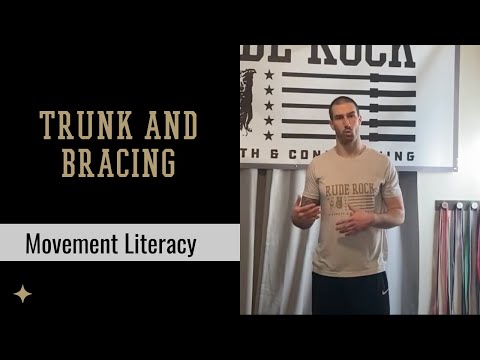
Trunk/Bracing [03:36]
Learn key trunk bracing techniques for safe movement...

Shoulder/Scapula [02:32]
Scapula mechanics and shoulder stability fundamentals...
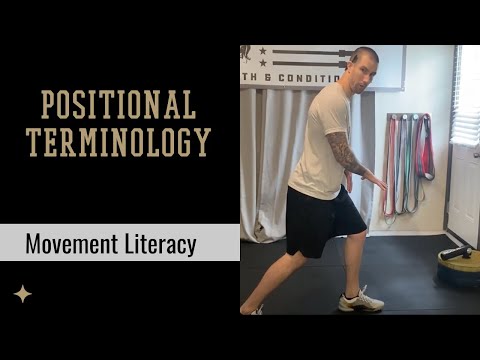
Movement Literacy [02:57]
An overview of essential movement literacy concepts...

Optimizing Feet & Ankles [01:37]
Techniques to improve foot and ankle performance...
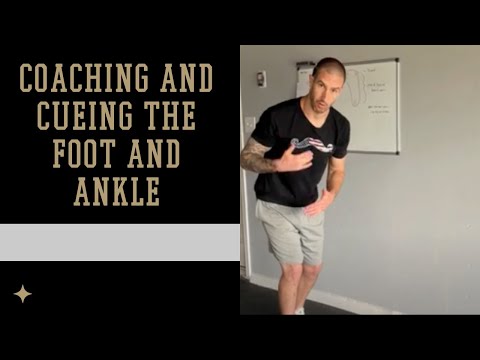
Foot & Ankle Coaching [02:02]
Effective coaching and cueing for foot and ankle...

Basic Foot & Ankle Functions [02:28]
Understanding the fundamental functions of foot and ankle...
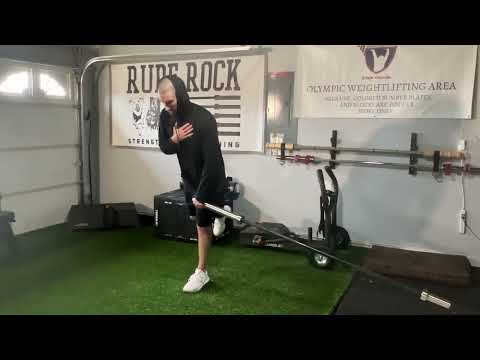
Cueing & Coaching the Neck [02:24]
Learn neck movement and coaching strategies...

Want more weekly Performance Talks?
Subscribe to receive our bi-weekly newsletter and get first-look insights on how we are working to understand and mitigate the injury epidemic.
©2026 Rude Rock Strength and Conditioning, LLC